← Back
BBNJ Agreement: Understanding the New Framework for the High Seas

In June 2025, the international community gathered in Nice, France, for the third United Nations Ocean Conference. The event marked an important milestone for the BBNJ Agreement, also known as the High Seas Treaty. By the end of the conference, the Agreement had reached 136 signatures and 51 ratifications, reflecting growing international momentum to protect marine biodiversity.
Since then, the BBNJ Agreement has reached another decisive milestone: its entry into force on 17 January 2026. Adopted in 2023 under the United Nations Convention on the Law of the Sea, it aims to strengthen the conservation and sustainable use of marine biodiversity in areas beyond national jurisdiction, which cover nearly two-thirds of the ocean.
The next key milestone will be the first Conference of the Parties to the BBNJ Agreement, taking place from 11 to 22 January 2027 at the United Nations Headquarters in New York. There, Parties will begin shaping how the Agreement will be implemented in practice.
Its entry into force opens a new phase: implementation. Turning this global ambition into concrete action will require cooperation between States and international organizations, supported by reliable scientific knowledge, data and technologies to better understand, monitor and protect the ocean.

What does the BBNJ Agreement provide for?
The BBNJ Agreement (Biodiversity Beyond National Jurisdiction) establishes a new international framework for the conservation and sustainable use of marine biodiversity in areas beyond national jurisdiction. It complements existing ocean governance mechanisms by providing States with a common framework to strengthen cooperation and better protect biodiversity in areas outside national jurisdiction.
The Agreement is built around four main pillars:
- Marine genetic resources and benefit-sharing: establishing rules for access to marine genetic resources and for sharing the benefits arising from their use.
- Area-based management tools, including marine protected areas: creating mechanisms to identify, manage and protect ecologically important or vulnerable marine areas.
- Environmental impact assessments: assessing the potential effects of planned activities that may significantly affect marine biodiversity in areas beyond national jurisdiction.
- Capacity-building and the transfer of marine technology: helping States strengthen the scientific, technical and operational capabilities needed to participate in and implement the Agreement effectively.
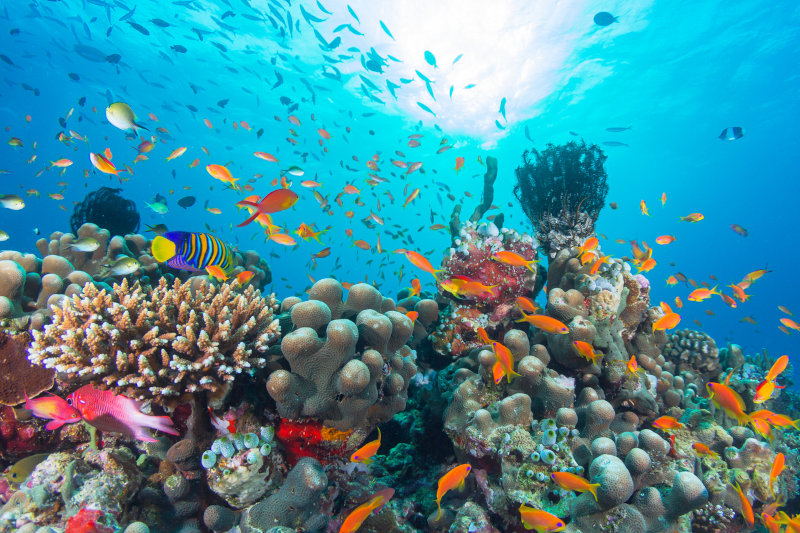
Protecting marine ecosystems beyond national borders
Protecting the high seas is particularly complex because these areas lie beyond national jurisdiction and are already governed by a patchwork of international and regional organizations. Fisheries on the high seas are managed through Regional Fisheries Management Organizations (RFMOs), which bring together States to manage shared fish stocks and adopt conservation and management measures.
Other activities, such as maritime transport or seabed activities, are covered by different international or regional bodies. The BBNJ Agreement therefore complements this existing system by adding a dedicated framework for the conservation and sustainable use of marine biodiversity.
One of the most significant changes is the possibility of establishing marine protected areas on the high seas. States will be able to propose areas for protection and define how human activities should be managed within them. The Agreement also strengthens environmental impact assessment requirements, helping ensure that activities likely to affect marine biodiversity are evaluated more systematically and transparently before they take place.
But designating protected areas is only one part of the challenge. Their effectiveness will also depend on the ability to understand what is happening within them, monitor human activities and detect potential infringements. This includes the use of monitoring and satellite technologies to support control and surveillance in remote areas.

How CLS can support the next phase of the BBNJ Agreement
Successfully protecting the high seas will require more than ambitious international commitments. It will depend on our collective ability to better understand marine ecosystems, identify priority areas for conservation, monitor changes over time and measure the effectiveness of the measures put in place. Science, data and technology will therefore be essential to turn the BBNJ Agreement into concrete action.
For more than 40 years, CLS has pursued a clear mission: using space technologies, data and science to better understand our planet and support the sustainable management of its resources. This mission is at the heart of our Tech4Good approach and gives CLS a natural role to play in the implementation of the BBNJ Agreement. By combining space-based technologies, environmental and biodiversity data, monitoring capabilities and actionable insights, CLS can help governments, international organizations and scientific communities better understand what is happening at sea, support informed decision-making and assess the impact of conservation measures. Our ambition is to help turn the BBNJ Agreement into concrete, measurable progress for the protection of the high seas.

Related Posts: