
← Back
How Herd Management Software is Transforming Modern Livestock Farming
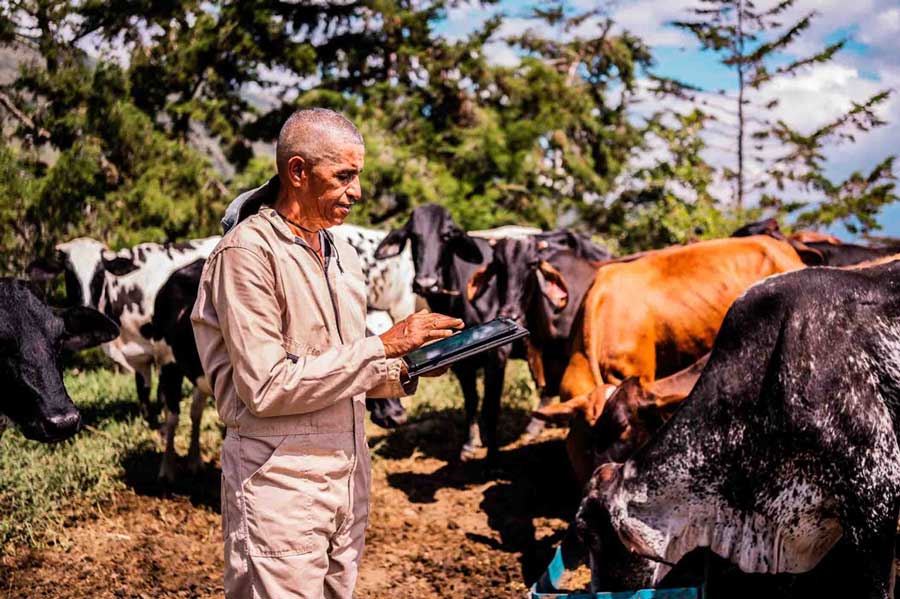
In a remote rangeland, a herder checks his phone instead of saddling his horse. Overnight, one of their animals has strayed beyond the usual grazing zone. Another shows unusual movement patterns that could signal stress or illness.
No fences, no cellular network, yet the information is there, precise and reliable.
This is not the future of livestock farming. It is already happening, thanks to herd management software powered by digital platforms and satellite connectivity.
As global livestock systems face mounting pressures such as climate variability, land degradation, security risks, and growing food demand, herd management technology is becoming a critical tool to ensure productivity, sustainability, and animal welfare, even in the most isolated environments.
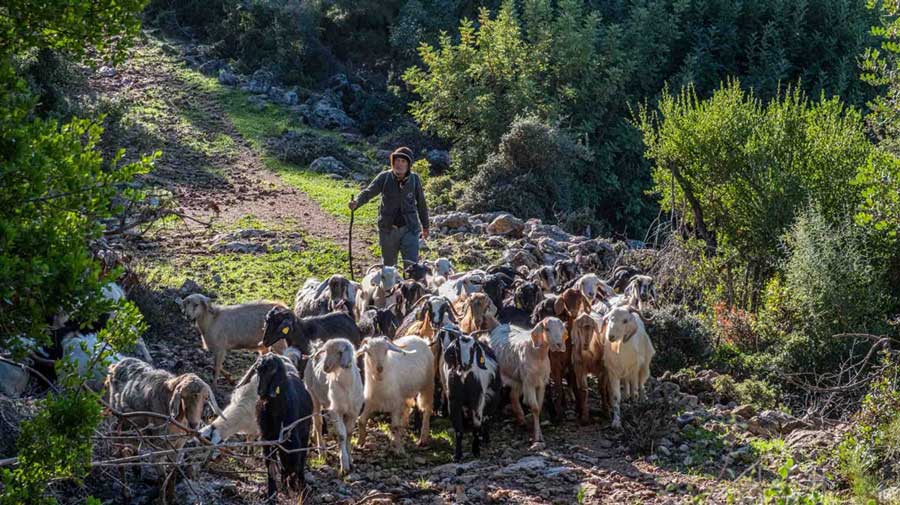
From tradition to technology: the evolution of herd management
For centuries, herd management relied on experience, observation, and intuition. While these skills remain invaluable, they are no longer sufficient to address the scale and complexity of modern livestock farming.
According to the FAO, livestock supports the livelihoods of over 1.3 billion people worldwide, many of whom operate in extensive or semi-nomadic systems. Managing herds across vast territories requires more than visual checks and manual records.
Manual methods vs connected tools
Traditional herd management methods typically involve:
- Visual inspections and headcounts
- Paper-based records for health and breeding
- Reactive responses to disease, predation, or theft
These approaches are time-consuming, prone to error, and often too slow to prevent losses.
By contrast, connected herd management software enables:
- Continuous tracking of animals
- Automated data collection (location, activity, behaviour)
- Centralised dashboards accessible in near-real time
The result is a shift from reactive management to proactive decision-making, allowing farmers and rangers to anticipate issues rather than respond after losses occur.
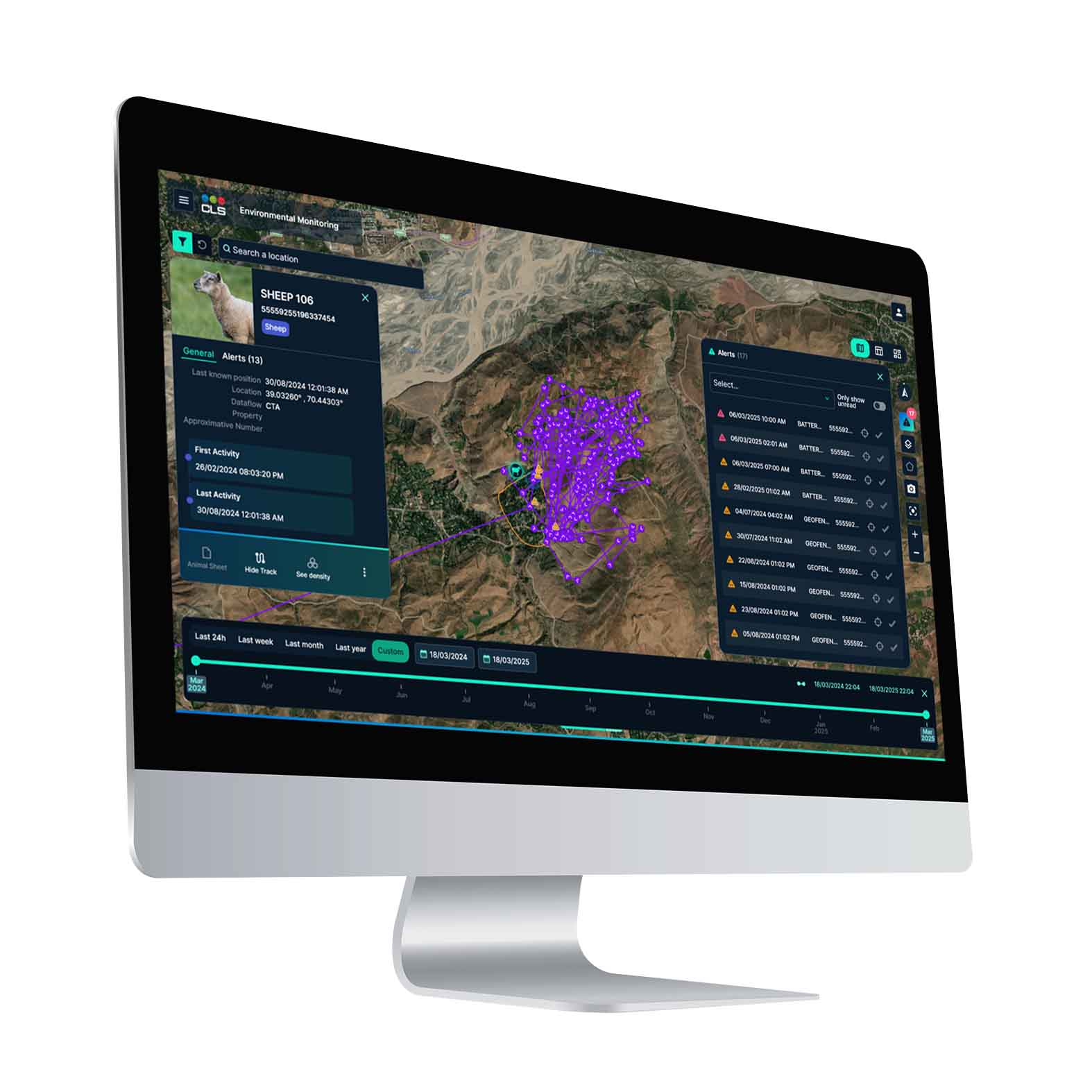
The rise of digital platforms and satellite connectivity
Digitalisation has transformed many agricultural sectors, but livestock farming presents unique challenges, especially in regions that are remote and have little or no infrastructure.
Why IoT alone isn’t enough in remote areas
Most herd management technology relies on IoT devices connected via cellular networks. However, large grazing areas, deserts, mountains, and protected reserves often lack reliable terrestrial coverage.
This creates “data blind spots” where:
- Animals disappear from monitoring systems
- Alerts arrive too late or not at all
- Farmers lose visibility over herd movements and risks
For extensive livestock systems, connectivity is not a convenience, it is a prerequisite.
The unique role of satellite-based systems
Satellite-enabled herd management technology overcomes these limitations by offering:
- Global coverage, independent of local infrastructure
- Reliable data transmission in remote and cross-border areas
- Continuity of service during extreme weather or emergencies
By integrating satellite connectivity into herd management software, livestock monitoring becomes truly universal, from African savannahs and Asian steppes to South American pampas and Arctic tundra.
This is a game changer for farmers, governments, and NGOs managing herds at scale.
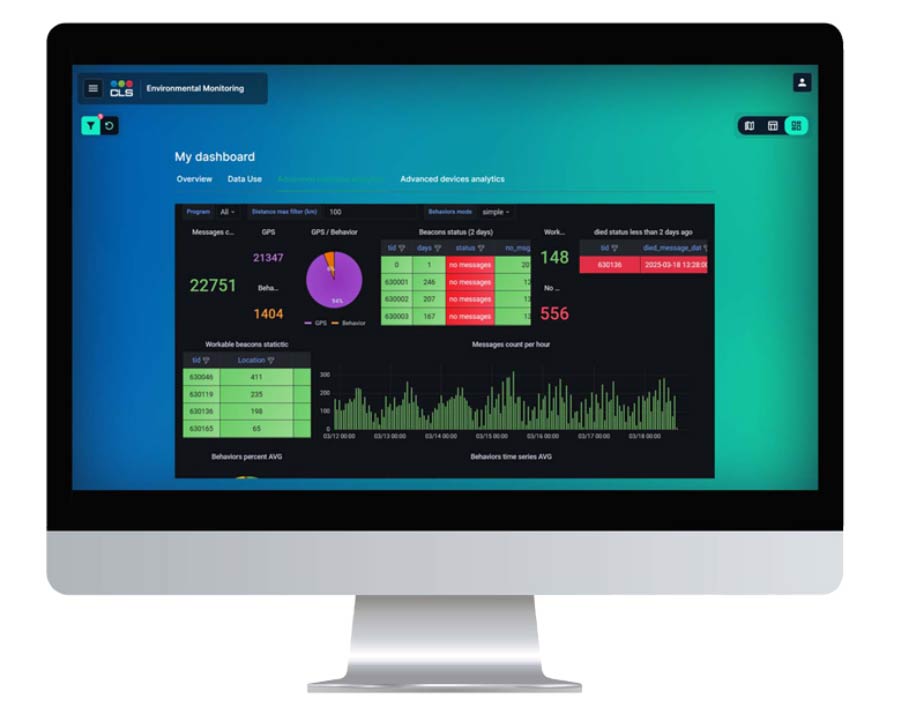
Data-driven decision-making for productivity and welfare
Modern herd management software is not just about tracking location. It transforms raw data into actionable intelligence.
According to IFAD, improving access to digital tools is one of the key levers for increasing resilience and incomes among smallholders and pastoral communities. Data-driven herd management directly supports this objective.
Predictive analytics: health, breeding, and feeding patterns
By analysing movement, activity, and behavioural trends, herd management platforms can help detect:
- Early signs of illness or injury
- Changes in grazing behaviour linked to pasture degradation
- Breeding cycles and calving patterns
- Abnormal movement that may indicate theft or predation
Predictive analytics enables earlier intervention, reducing animal mortality, veterinary costs, and productivity losses.
From an animal welfare perspective, this means:
- Less stress from late or unnecessary handling
- Faster response to health issues
- Better adaptation to environmental conditions
From an economic perspective, it means better feed efficiency, higher reproductive success, and improved long-term sustainability.
The Argos advantage: global connectivity for every farmer
Not all herd management technology is created equal. In extensive livestock systems, connectivity defines performance.
The Argos system, with over 40 years of experience in satellite-based environmental monitoring, brings a unique advantage to herd management software:
- Proven satellite connectivity operating worldwide
- Robust data transmission designed for harsh and remote environments
- Integration with Earth observation data for environmental context
By combining animal tracking, satellite connectivity, and digital platforms, Argos-enabled herd management technology ensures continuous visibility, even where no other network can operate.
This approach supports:
- Farmers managing herds across thousands of hectares
- Conservation actors balancing livestock and wildlife coexistence
- Authorities overseeing grazing zones and land-use policies
In short, it makes advanced herd management accessible to every farmer, everywhere.
Technology serving people, animals, and the planet
Herd management software is no longer a niche innovation. It is becoming a cornerstone of resilient, sustainable livestock farming.
By bridging tradition and technology, combining field knowledge with satellite-enabled data, modern herd management systems empower farmers to:
- Protect their animals
- Optimise productivity
- Improve animal welfare
- Adapt to climate and environmental change
As the FAO and IFAD consistently underline, the future of livestock depends on smart, inclusive, and scalable digital solutions.
The transformation is already underway.